
Economy
NNPC retail fuel discount is not subsidy, Oyedele says

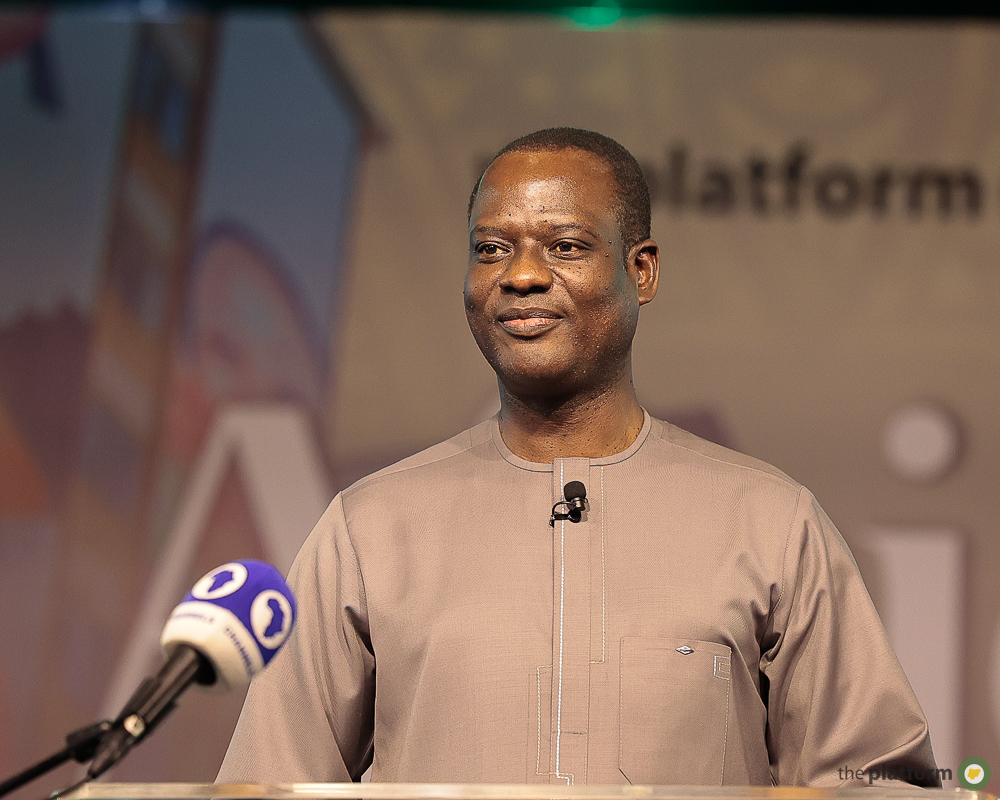
The Minister of Finance and Coordinating Minister of the Economy, Taiwo Oyedele, has said the discount on petrol prices at NNPC Retail Limited filling stations is not a return of fuel subsidy, insisting that the reduction is funded by the company’s retail margin rather than public funds.
Mr Oyedele said the discount, which took effect on 1 October, was a commercial decision by the state-owned oil company’s retail subsidiary and would not require funding from the federal budget or the Federation Account.
In a press release issued by the Federal Ministry of Finance on Friday, the minister said the initiative would provide relief to motorists and transport operators while potentially strengthening NNPC Retail’s business and increasing its profits.
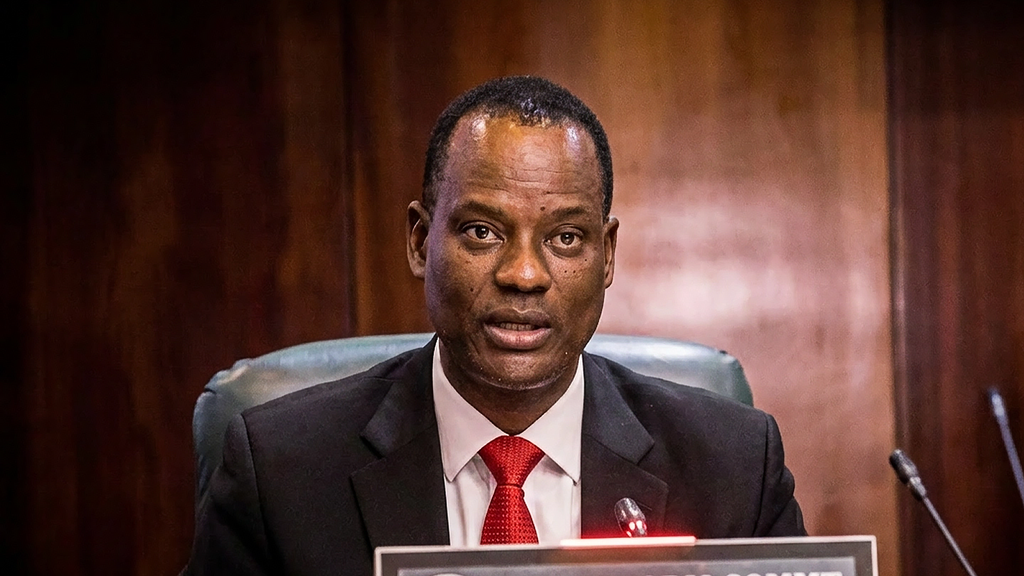
“Some commentators have described the discount as a return of fuel subsidy. That is not correct,” he said.
Mr Oyedele explained that a retail margin discount occurs when a retailer reduces or temporarily foregoes part of its profit margin to lower prices for consumers. A subsidy, by contrast, involves the government paying part of the cost of a product to keep its price below what consumers would otherwise pay.
He said the current arrangement differed from the petrol subsidy regime discontinued by the administration of President Bola Tinubu in 2023.
How the discount works
According to the minister, NNPC Retail purchases petrol from the Dangote Refinery and other suppliers at market prices before adding its retail margin to determine the pump price.
The discount, he said, comes entirely from that margin, allowing the company to reduce prices without drawing on public revenue.
Mr Oyedele said the arrangement should also be distinguished from selling crude oil owned by the Federation below market prices, which would amount to a subsidy because the resulting shortfall would be borne by public revenue.
He described NNPC Retail, a wholly owned subsidiary of NNPC Limited, as a petroleum marketing company established to support the nationwide availability, distribution and affordability of refined petroleum products.
The minister said the company had historically sold petrol at prices below those of some competing marketers, adding that the current discount was consistent with its retail mandate.
Impact on government revenue
Mr Oyedele also dismissed concerns that the discount would necessarily reduce the profits of NNPC Limited and the dividends it pays to the Federation.
He argued that lower margins on individual litres of petrol could be offset by higher sales volumes and increased customer loyalty, potentially improving the company’s overall profitability.
“A smaller margin or temporary zero margin on each litre can be more than offset by selling more litres over time,” he said.
However, the minister did not provide figures on the size of the discount, the expected increase in sales volumes or the projected effect on NNPC Retail’s profits and dividend payments.
Smuggling concerns
Addressing concerns that lower petrol prices could encourage cross-border smuggling or distort the domestic market, Mr Oyedele said the retail margin accounted for less than five per cent of the pump price.
He argued that a discount within that margin would not significantly widen the price difference between Nigeria and neighbouring countries, where petrol, he said, already cost between 20 and 40 per cent more.
The minister maintained that the discount would therefore not create the same incentives for smuggling associated with previous subsidy arrangements.
Other measures to ease fuel costs
Mr Oyedele acknowledged that high fuel prices continued to put pressure on households and businesses, describing the discount as one of several measures being pursued by the government to ease the burden.
He listed the expansion of compressed natural gas-powered transport, the waiver of taxes and duties on petrol, and the removal of illegal levies that increase transport costs among the other measures.
“Each is designed to bring relief without returning Nigeria to a subsidy regime that the country can no longer afford,” he said.







Driver escapes unhurt as train wrecks car at Lagos railway crossing

NDC faults Tinubu’s 30-day petrol discount, calls it tokenism

NNPC retail fuel discount is not subsidy, Oyedele says


-

 Entertainment2 days ago
Afrobeats, Amapiano and UK Drill: UrchMan Develops Hybrid African Sound
-

 OPINION3 hours ago
Akinyelure: Oyewamide’s Attack And The Burden Of A Senate Scorecard by Seun Johnson
-
 Economy1 hour ago
NDC faults Tinubu’s 30-day petrol discount, calls it tokenism
-
 News42 minutes ago
Driver escapes unhurt as train wrecks car at Lagos railway crossing